
Products
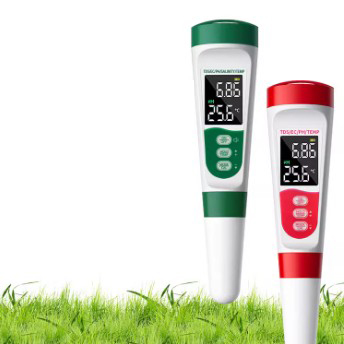
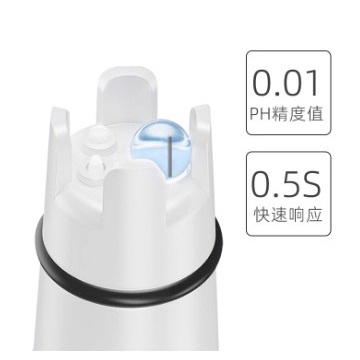
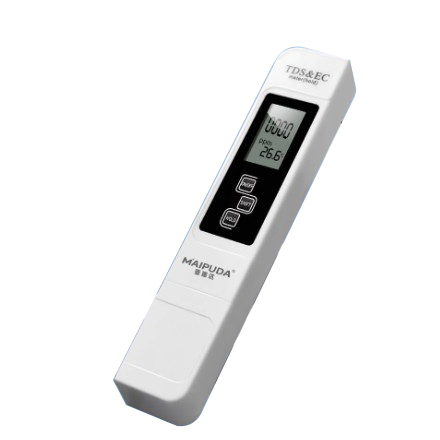
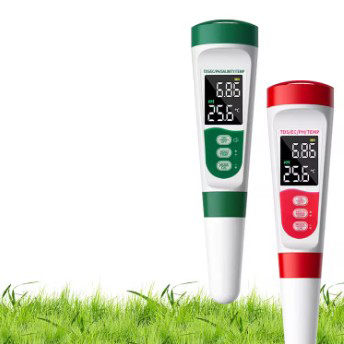
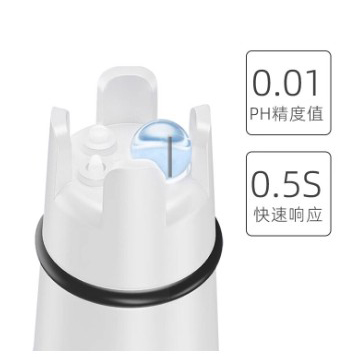
Multifunctional Water Quality Tester Pen
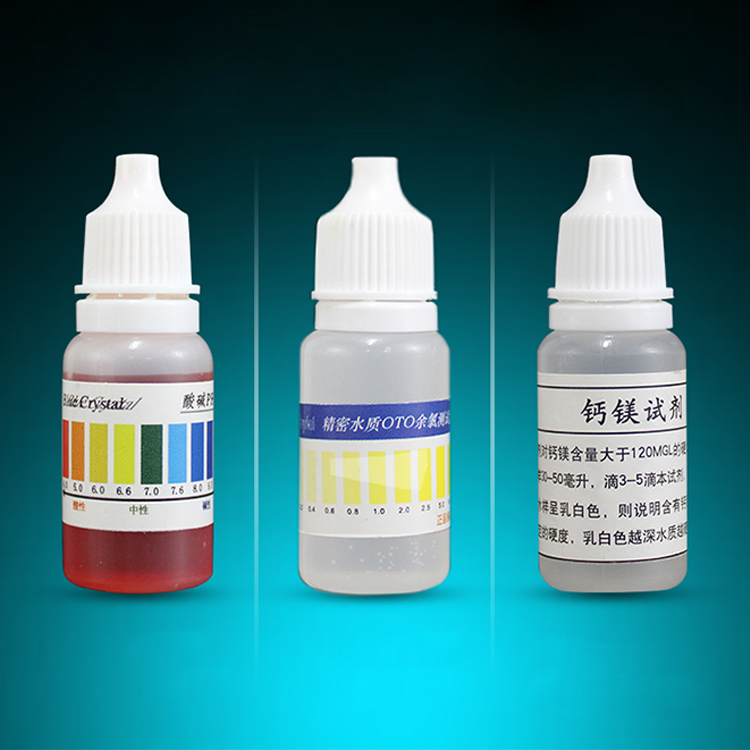
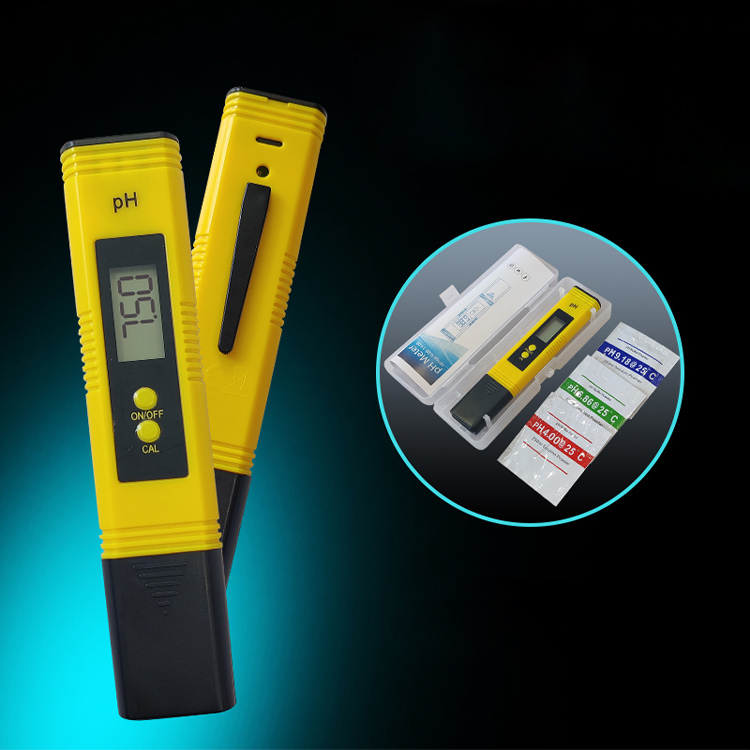
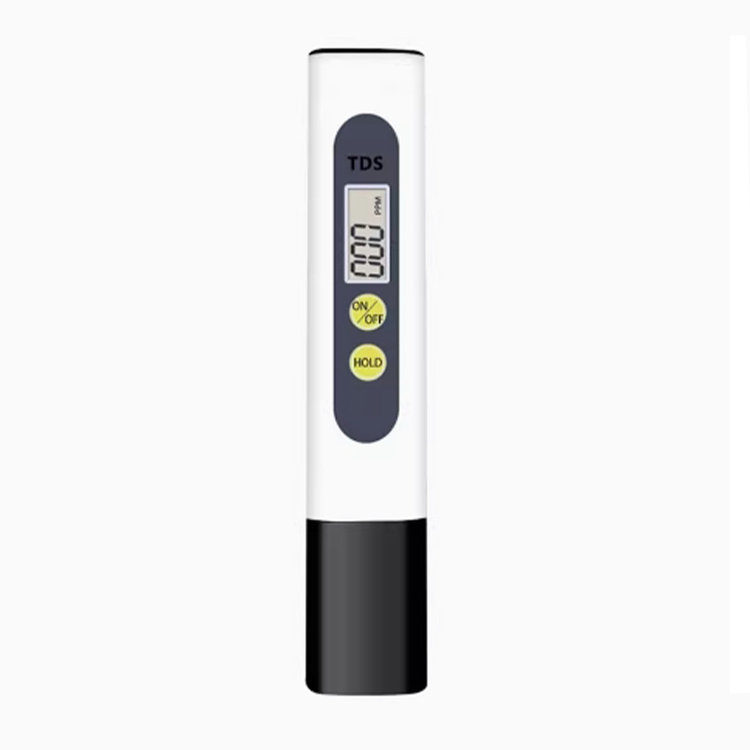
The multifunctional water quality tester pen is a portable tool designed for rapid water quality analysis. It measures key parameters such as TDS (Total Dissolved Solids), conductivity, and temperature; some models also measure pH levels and residual chlorine. It serves as a convenient device for assessing water purity.
The primary application areas for a multifunctional water quality tester pen include water quality analysis and circuit testing, satisfying basic testing requirements in both scenarios. For instance, during routine hardware debugging, a multifunctional test pen is often the most frequently used instrument. Compact and portable, it is specifically designed to detect AC voltage in power outlets, switches, fuses, and electrical circuits. Additionally, the device can be utilized for water quality assessment by measuring electrical conductivity and calculating Total Dissolved Solids (TDS), thereby enabling a rapid evaluation of tap water, mineral water, and other water sources. Certain models also support the measurement of various additional parameters, such as pH levels, salinity, and temperature.
Send Inquiry
Product Description
Interpretation of Test Data
Multifunctional Water Quality Tester Pen TDS Value: Tap water typically ranges from 100 to 500 mg/L, while water produced by an RO (Reverse Osmosis) purifier falls between 0 and 50 mg/L (the lower the value, the purer the water). A reading exceeding 1000 mg/L indicates high water hardness and a high concentration of impurities, rendering the water unsuitable for direct consumption.
PH Value:The standard for drinking water is a pH range of 6.5 to 8.5. A value below 6.5 indicates acidic water, while a value above 8.5 indicates alkaline water; long-term consumption of water that is excessively acidic or alkaline may adversely affect one's physical health.
Residual Chlorine Value:The residual chlorine level in tap water should be ≤ 0.05 mg/L. Levels exceeding this threshold result in a distinct "disinfectant" taste or odor, and long-term consumption may cause irritation to the respiratory tract and gastrointestinal system.
Conductivity: This metric is directly correlated with the TDS value. For household water purification systems, a conductivity level of ≤ 100 μS/cm is recommended; excessively high readings indicate a high concentration of ions in the water, suggesting suboptimal filtration performance.
Application Scenarios
1. Aquaculture: Monitor the TDS and pH levels of aquarium water to determine its suitability for fish survival, thereby preventing fish diseases caused by water quality fluctuations.
2. Plant Care: Measure the TDS and pH levels of watering water, adjusting the water quality according to specific plant requirements (e.g., acid-loving plants require water with a pH of 5.5–6.5) to enhance plant care effectiveness.
3. Commercial Quality Control: For milk tea and coffee shops, test the quality of purified water to ensure beverage safety; for small-scale water plants and bottled water retailers, conduct preliminary water quality screening to assist in maintaining product quality standards.
4. Travel & Emergencies: When camping or traveling on business, measure the TDS levels of local tap water or mountain spring water to quickly assess whether the water is safe for consumption, thereby avoiding potential health risks associated with drinking water.
Precautions
1. Before testing, rinse the electrode with clean water to prevent residual impurities from affecting the results. During testing, the electrode must be fully immersed in the water and must not touch the walls of the container.
2. Calibrate the device periodically using a calibration solution (recommended once every 3–6 months) to ensure data accuracy. If the device is to be stored for an extended period, keep it in a dry environment to prevent moisture damage to the electrode.
3. This device is intended solely for rapid screening purposes and cannot serve as a substitute for professional water quality analysis reports. If abnormal readings are observed (e.g., tap water TDS values significantly exceeding 500 mg/L), please contact a professional testing agency for verification.
Hot Tags: Multifunctional Water Quality Tester Pen, China, Manufacturer, Supplier, Factory
Related Category
Send Inquiry
Please feel free to give your inquiry in the form below. We will reply you in 24 hours.